
A checklist is a structured self-assessment tool that highlights the difference between an organization’s current state and a target goal. Checklist tools are used across industries to reduce errors and improve efficiency. Checklists help teams self-diagnose where they stand, where they need to be, and what they must do to close the gap between the organization’s present state and a regulation, a voluntary standard, an internal policy, or a strategic goal.
Because of these advantages, checklists can turn into a compelling lead capture tools to help organizations deliver automatically more qualified leads as they monitor a user’s use and progression and potential needs for products/services. Adding AI (artificial intelligence) can help users answer more specific questions regarding their needs and build these often unstructured information into the checklist’s managed workflow.
Typical Features and Functions
The AI Advantage for Tool Owners
- Enriches each response set with inferred readiness and intent signals
- Tailors AI guidance to your sector, methodology, and service offerings
- Highlights leads with high urgency goals (large gaps, tight timelines, high risk)
- Helps design follow-up campaigns based on typical gap profiles
A traditional checklist can:
- Convert findings and conclusions into a prioritized action plan
- Translate complex steps, goals, guidelines, standards, requirements or expectations into clear, answerable status questions
- Capture a snapshot view of current practices, controls, and documentation.
- Evaluate readiness by topic, stage, step or process using a quantifiable score or rating system
- Reveal gaps and risk areas/ratings that require correction or a collective response
- Collect and store evidence of completed stages
- Assign tasks and send reports to others
An AI-based checklist tool offers additional benefits for the user:
- Immediate and customized answers to questions regarding a particular step/check point
- Perspective/help in evaluating compliance/readiness per a particular requirement
- Suggestions on reporting readiness/completion of certain checkpoints within the intended framework of the checklist
- Prioritized action planning ordered by risk or business priority
- Evaluate external evidence/resources beyond the confines of the checklist
Application Examples
The Problem: Organizations often don’t know how close they are to meeting a requirement or achieving a target. It may be too soon in their evaluation process for a detailed analysis or outside consulting services.
The Solution: A self-assessment checklist provides a guided, interactive self-assessment that maps current practices to requirements, scores readiness, highlights gaps and (with AI support) — can create an internal roadmap and action plan for the user and qualified leads for the tool owner.
The Problem: Teams frequently lack clarity on next steps after identifying issues, leaving plans vague or unprioritized.
The Solution: An actions checklist with risk level assessments displays missing elements and converts them into prioritized action items.
The Problem: Staying compliant with regulations, standards or best practices is difficult without a systematic way to track required steps. Missing even minor tasks can cause audits to fail or expose the organization to penalties.
The Solution: A compliance checklist can outline relevant requirements and highlights what hasn’t been completed, staying aligned with standards and reducing compliance risk and liabilities.
The Problem: Organizations often struggle with messy or inefficient scheduling processes that cause miscommunication, missed deadlines, or resource conflicts.
The Solution: An event/actions checklist helps evaluate and prioritize items that need to be scheduled and managed into workflows.
The Problem: Companies rarely have a clear method to compare current processes against best practices or alternative models. This makes it difficult to know whether their approach is effective or outdated.
The Solution: A process checklist allows users to evaluate their processes step by step and see where they diverge from optimal and accepted approaches.
The Problem: Fully evaluating possible vendors of services and products requires comparison of all needed vs. offered features, benefits, performance and pricing.
The Solution: A purchasing checklist surfaces potentially needed but missing aspects of the items to be purchased, providing more value and lessening poor buying decisions.
Possible Use Cases
*Assess alignment with safety management systems, procedures, and training requirements
*Prepare for internal safety audits or regulatory inspections
*Evaluate readiness against internal policies, environmental standards, emissions rules, or ESG frameworks
*Identify gaps in monitoring, reporting, and documentation
*Compare current quality practices to internal requirements or sector standards
*Support multi-site consistency checks and supplier quality evaluations
*Map existing controls to security or privacy frameworks
*Identify gaps in policies, technical safeguards, and incident response
*Assess supplier compliance with codes of conduct, security, or sustainability requirements
*Use checklists in onboarding, renewal, or periodic re-qualification
*Create clinical compliance checks where staff can assess whether procedures, sanitation protocols, or documentation meet regulatory standards.
*Identify gaps in emergency preparedness, equipment availability, or patient-care workflow
*Confirm banks and financial advisors meet reporting, risk management, and documentation standards
*Identify gaps in customer identification/fraud processes, workflow automation, or customer experience steps
*Assess gaps in hiring workflows, employee documentation, benefits administration, or onboarding steps
*Evaluate gaps in communication practices, training programs, or employee feedback systems
*Create timelines, manage vendors and venues
*Create checklists for technical checks, venue prep, and contingency plans
Example: Compliance with Standards
ISO 9001 is an international standard for adherence to quality management through creation and execution of a quality management system. Those seeking certification to this standard must pass a third party audit of their quality management systems, performance, training and support levels. Using a standard list or spreadsheet to keep track of readiness for each of the many requirements of the standard can be difficult to update, prone to omissions, hard to visualize and challenging to share among team members.
Our checklist tool was formatted for this function and helped would-be ISO 9001 registrants simplify and more accurately determine their audit readiness. AI provided input and potential interpretations as to how the user’s organization was complying with the standard’s requirements. The sponsor of the tool was able to monitor their progress and offer potentially necessary services such as training, pre-audits, registration and software.
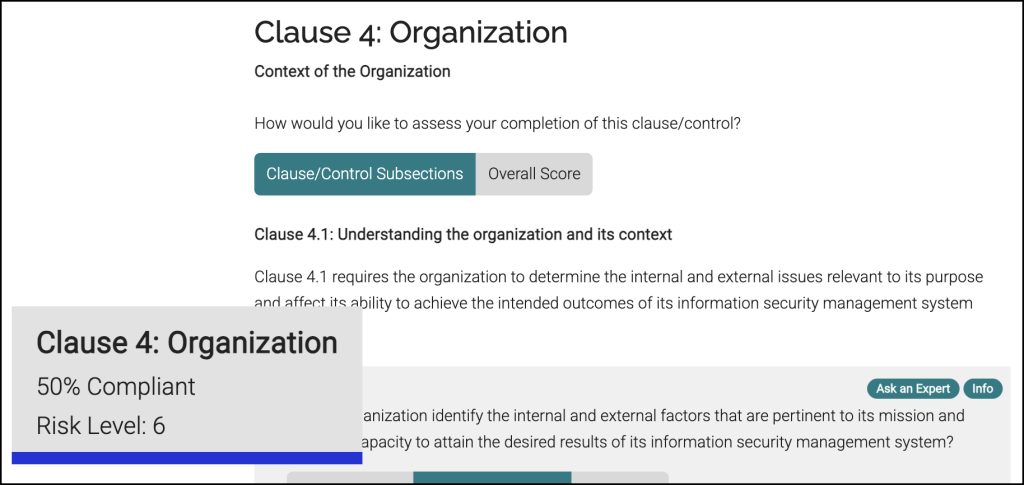
This ISO 9001 pre-audit checklist tool allowed quality professionals to assess their organizations against a detailed management system framework. The ISO Gap Checklist Tool translated the requirements of the ISO 9001 standard into 300+ targeted questions, produced readiness scores by topic, and generated a prioritized improvement plan.
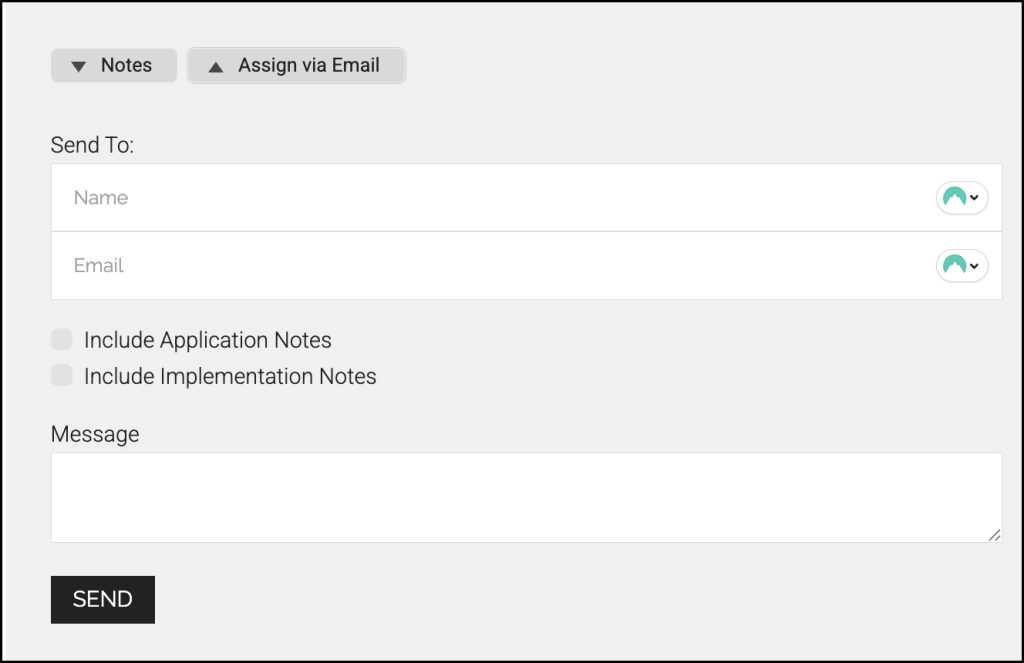
The checklist tool allowed users to save their progress, add compliance notes, and send instructions or tasks to their team members. Users received immediate clarity on where to focus, and the sponsoring organization gained a steady stream of highly qualified prospects who were clearly preparing for implementation and external audits.
This robust tool was offered 100% free, an attractive hook for quality professionals interested in assessing their compliance to different ISO standards.
Existing Core Capabilities in This Tool Template
- Configurable checklists aligned to any standard, requirement, or internal framework
- Hundreds of checkpoints grouped by section/topic (governance, operations, technical controls, documentation, etc.)
- Real-time readiness scoring with visual progress indicators
- Gap prioritization based on severity, likelihood, and impact
- Optional risk scoring (i.e., measuring an action by impact × likelihood) for each item or section
- Assignment of sections to team members with notifications
- Notes and evidence capture to support audits or reviews
- Export to PDF/Excel for internal use or external stakeholders